

Adapted from a presentation by Tom Sanders, CEO at SHEPHERD, at the IPWEA-QNT Disaster Recovery Forum, held in May 2026 on the Gold Coast.
When disaster hits, every day matters.
Communities need roads reopened, access restored and critical infrastructure repaired as quickly as possible. But for the council leaders accountable for the recovery, speed is only part of the challenge.
Recovery work must also be supported by clear evidence, traceable records and funding submissions that can withstand assurance and audit requirements. In disaster recovery, speed without evidence creates risk.
The councils best placed to move quickly after an event are often not simply those that work hardest in the days immediately following the disaster. They are those that already have practical systems, reliable data and well-maintained asset records in place before the event occurs.
Where time is lost in recovery
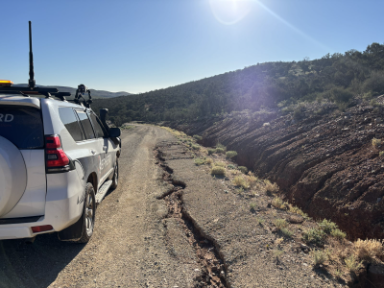
The Disaster Recovery Funding Arrangements process involves several key stages, and each relies on the quality, accessibility and consistency of the information available.
Time is commonly lost during:
- Damage identification
- Eligibility substantiation
- Scope development
- Cost estimation
- Approvals
When councils are relying on ad hoc inspections, manual records, fragmented systems or post-event-only evidence, each of these stages becomes harder.
Already stretched teams may need to reconstruct baseline condition, confirm asset ownership, validate the location and severity of damage, reconcile information across systems and revisit sites to fill evidence gaps.
That creates delays, duplication and rework. It can also increase exposure to funding eligibility, assurance and audit challenges at a time when Council is under pressure to restore essential access and services.
Why pre-disaster data matters

Reliable pre-disaster condition data provides councils with a critical safeguard.
When asset ownership, location, extent and condition have already been established, recovery teams can focus on identifying and assessing what changed rather than trying to reconstruct what existed before the event.
This is where integrated asset registers, spatially aligned condition information and network-scale visual evidence become valuable. They allow councils to compare pre-event and post-event conditions more quickly and defensibly, helping compress the time between damage identification, funding submission, approval and delivery.
The result is not simply a better dataset. It is greater clarity about what happened, what needs to occur next and what evidence supports that decision.
Councils with decision-ready information are better placed to prepare submissions earlier, respond to assurance questions, progress approvals and mobilise works without losing visibility of the evidence behind the recovery program.
For communities, that can mean safer access, stronger connectivity and a quicker return to normal services.
Good data does not have to be overcomplicated

One common assumption in asset and disaster recovery work is that more complex data automatically creates better outcomes.
That is not always the case.
In a high-pressure recovery environment, the most valuable information is often that which is fit-for-purpose, explainable and ready to support action.
It needs to establish:
- What the asset was
- Where it was located
- What condition it was in before the event
- What changed
- Where and how severely the damage occurred
- Why the proposed treatment and scope are reasonable.
Councils do not need complexity for its own sake. Nor do they need another system that creates an unsustainable workload for their internal teams.
They need practical systems that connect field evidence, asset information, funding requirements and delivery, helping teams act quickly, communicate clearly and maintain confidence in the recovery pathway.
Recovery starts before the event
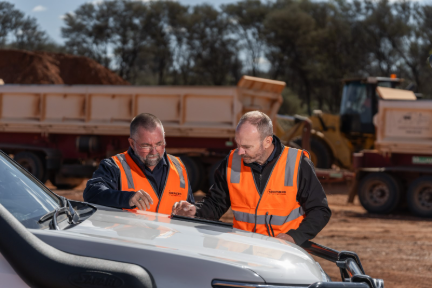
The key lesson is simple: recovery speed is not determined on the day of the disaster. It is shaped by the systems, records, processes and evidence already in place.
For councils, investing in reliable asset information before the next event can materially improve recovery timelines. It can reduce rework, strengthen funding submissions and provide a clearer line of sight from damage evidence through to scope, approval and delivery.
It also gives council leaders greater confidence that they can explain what happened, demonstrate why the proposed response is appropriate and maintain control as the recovery program progresses.
That ultimately helps communities recover faster when access, safety and connectivity matter most.
At SHEPHERD, we support councils to establish practical road management, asset information and disaster recovery systems built for real-world decision-making, from understanding pre-event condition through to delivering and acquitting recovery works.
If your council wants to strengthen its disaster readiness before the next event, SHEPHERD can help establish the evidence, systems and processes needed for a faster, more defensible and better-controlled recovery. Get in touch at info@shepherdservices.com.au
Key Takeaways
★ Speed without evidence creates risk.
★ Pre-disaster data saves time after an event.
★ Evidence gaps slow DRFA approvals.
★ Fit-for-purpose data beats overcomplication.
★ Prepared councils recover faster.