

Adapted from a presentation by Justin Fischer, General Manager – Client & Corporate at SHEPHERD, at the IPWEA-QNT Asset Management Symposium, held in April 2026 in Brisbane.
Every council wants better asset management but better does not always mean more complex.
With Austroads guides, IPWEA Practice Notes, road authority manuals, maturity models, data standards and new technology platforms, councils have access to plenty of advice on what “good” asset management should look like.
The harder question is knowing what is genuinely useful for the decisions council needs to make — and be able to explain and stand behind.
For emerging professionals, best practice can feel like the safest and most defensible path. But best practice is often written for an ideal operating environment, with mature systems, specialist teams, stable funding and enough resources to collect, maintain and interpret complex data over time.
Many councils are working in a very different reality.
They are managing large or geographically dispersed networks with constrained budgets, changing staff, fragmented information, competing priorities and increasing expectations from communities, elected members, auditors and funding bodies.
In that context, the better question is often not: “What does best practice say?”
It is: “What is fit-for-purpose for the decisions we need to make?”
Start with the decision

Good asset management should start with the decision, not the dataset.
Councils can be drawn into collecting more data because it is available, required in a standard or seen as best practice. But if that information does not improve renewal planning, maintenance decisions, funding conversations or investment priorities, it may not be delivering real value.
Fit-for-purpose data should be:
- easy for the right people to understand and use
- repeatable and affordable to collect over time
- able to be explained to executives, councillors and the community
- directly linked to decisions about maintenance, renewal, treatment or deferral
That does not mean accepting poor data. It means matching the level of detail to the decision being made, the resources available and the organisation’s ability to keep the information current.
Use the data councils already have
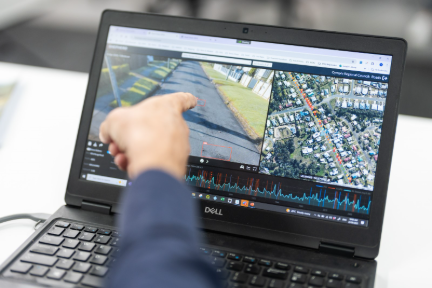
Good asset management should start with the decision, not the dataset.
Councils can be drawn into collecting more data because it is available, required by a standard or seen as best practice. But if that information does not improve renewal planning, maintenance decisions, funding conversations or investment priorities, it may not be delivering real value.
Fit-for-purpose data should be:
- easy for the right people to understand and use
- repeatable and affordable to collect and maintain over time
- able to be explained to executives, councillors, auditors and the community
- directly linked to decisions about maintenance, renewal, treatment or deferral
- reliable enough to support decisions that may need to withstand financial, audit or public scrutiny.
That does not mean accepting poor data. It means matching the level of detail to the decision being made, the resources available and the organisation’s ability to keep the information current.
The goal is not to know everything about every asset. It is to have enough reliable evidence to decide what matters, explain why and direct limited resources with confidence.
Fit-for-purpose is not a lower standard
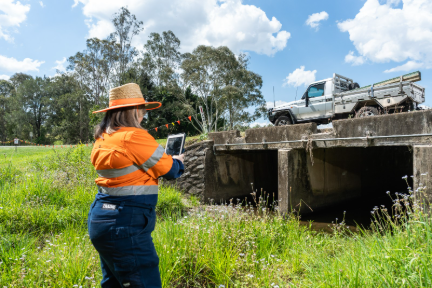
The answer is not always another dataset or another layer of reporting.
Often, the better starting point is improving the quality, consistency and traceability of the core information council already has. That means clearer assumptions, targeted inspections, agreed condition ratings and stronger links between valuation outputs, renewal planning and long-term financial strategy.
It also means establishing a clear line between the evidence, the decision and the outcome—so council leaders can understand what should happen next and explain why.
Fit-for-purpose is sometimes misunderstood as compromise. Used properly, it is professional judgement in action.
It helps councils focus effort where it matters most, make better use of available resources and avoid placing an unsustainable burden on already stretched internal teams.
Most importantly, it builds confidence in the decisions that shape future service levels, budgets, infrastructure priorities and community outcomes.
At SHEPHERD, we support councils to connect asset condition, valuations, financial information and long-term planning through a practical and defensible approach. nities.
If your council needs greater confidence in its asset information, valuations or long-term planning, SHEPHERD can help establish a practical and defensible pathway forward. Get in touch at info@shepherdservices.com.au
Key Takeaways
★ Better does not always mean more complex.
★ Start with the decision, not the dataset.
★ Existing council data is often underused.
★ Fit-for-purpose is professional judgement.
★ Clear evidence supports confident decisions.